
A stain on the ceiling, a puddle under the sink, a meter turning while everything is off? Here is what to do straight away, how to find the source and what to keep for the insurance.
A water leak can be dramatic, like a hose bursting under the sink, or completely hidden, like a concealed pipe weeping for months. Either way, acting fast limits the damage, the water bill and the complications with the insurance or the neighbours. Here is what you need to know.
The first few minutes
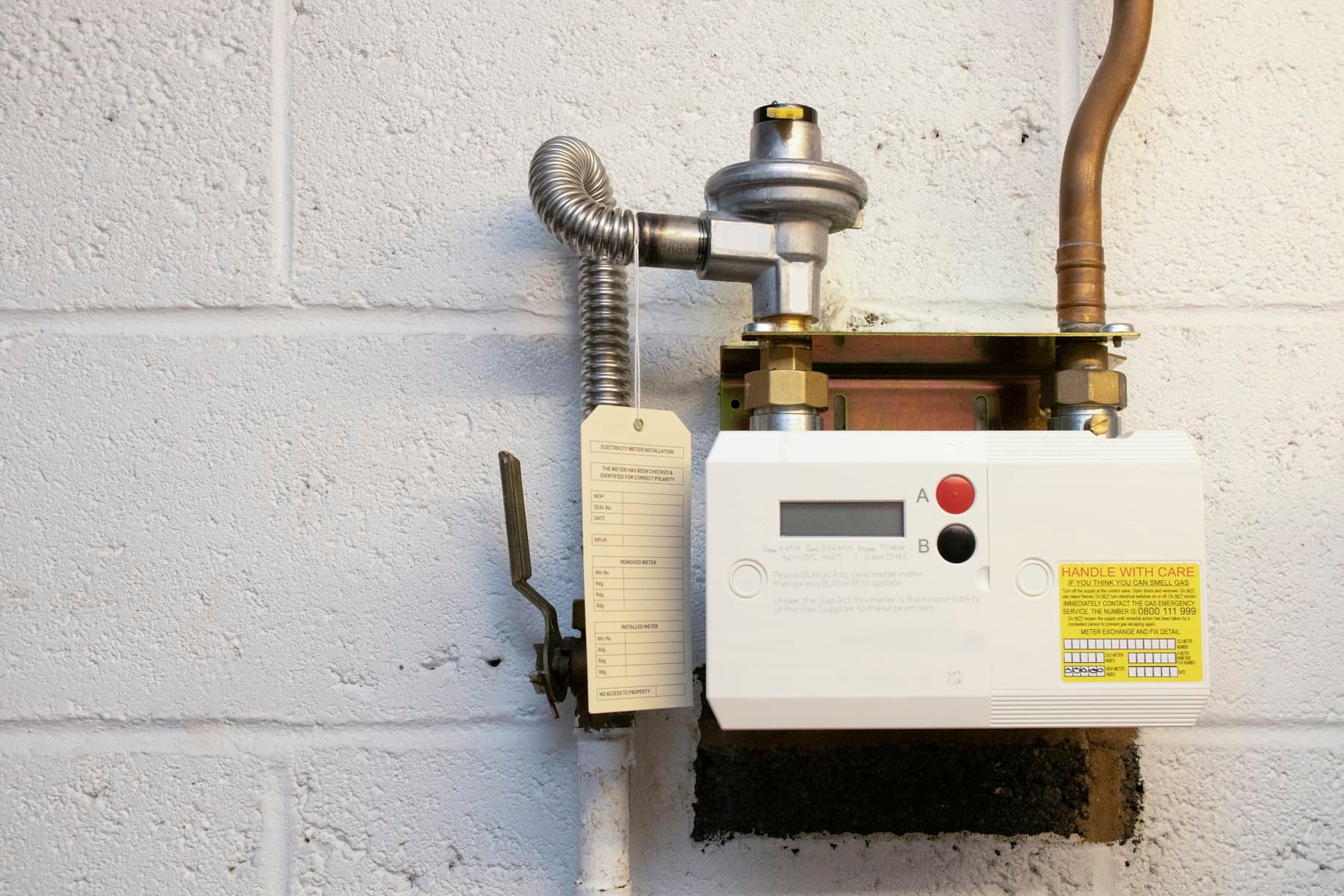
- Turn off the water. The main stopcock is near the meter, often in the cellar, a utility cupboard or a shared riser in a flat. Find it today, before you need it.
- If the water is getting near sockets, electrical appliances or the fuse box, switch off the electricity in that area.
- Mop up and protect what you can: furniture, papers, appliances.
- Let the neighbours below know quickly if you live in a flat.
- Take photos of the leak and the damage before cleaning up.
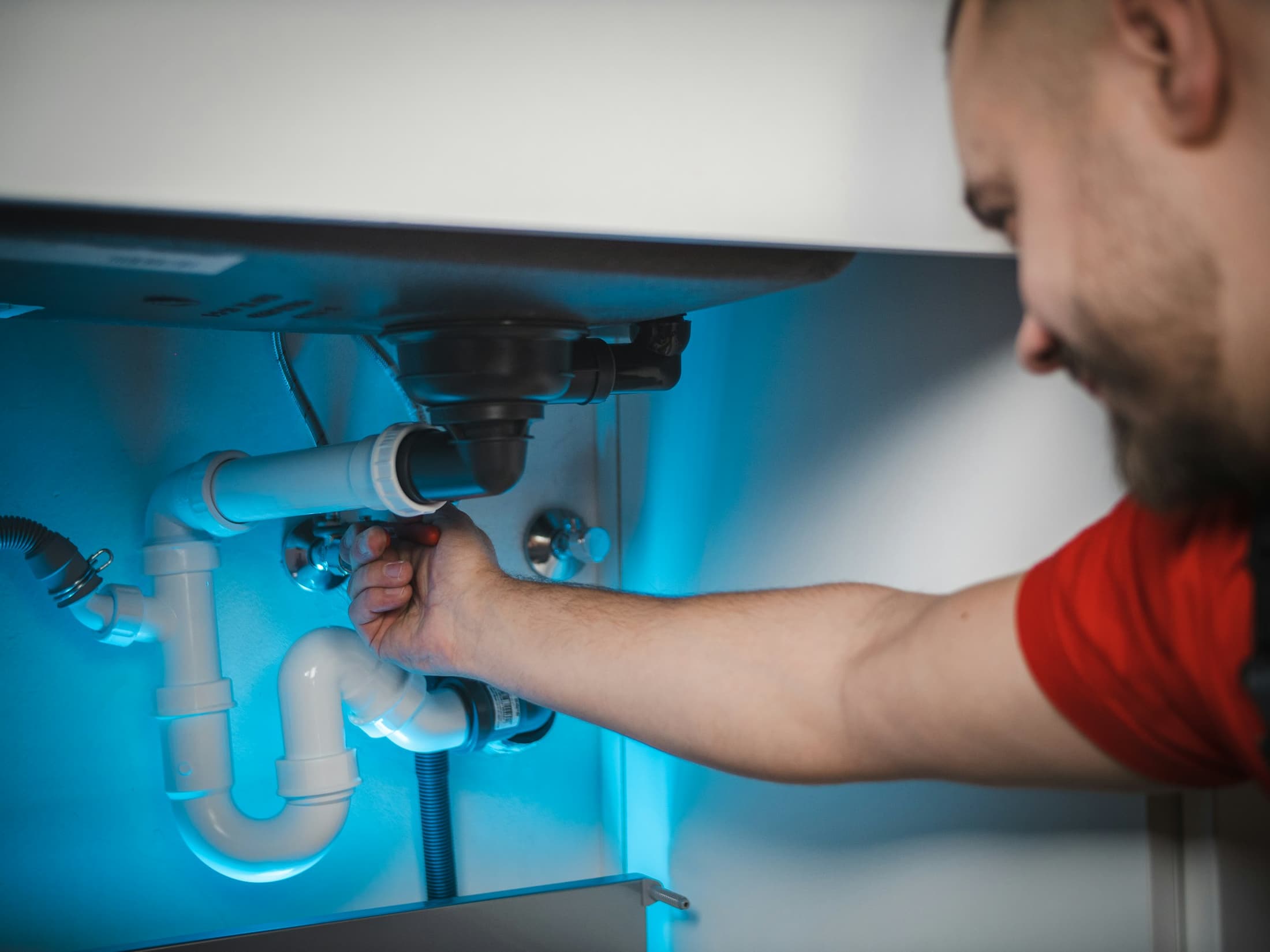
Many fittings also have their own small isolating valve: under the sink, behind the toilet, under the washbasin. If the leak clearly comes from there, closing that valve is enough and the rest of the house keeps its water.
Spotting a hidden leak
Not every leak is visible. Some signs should alert you: a water bill rising for no reason, a stain spreading on the ceiling or a wall, a damp smell, blistering paint, swelling floorboards, a toilet that runs all the time.
For a toilet, put a few drops of food colouring in the cistern without flushing. If the colour appears in the bowl after a while, the mechanism is leaking. It is a simple repair, but a toilet that runs constantly can waste a lot of water.
The most common causes
- A worn supply hose under a sink, washbasin or toilet.
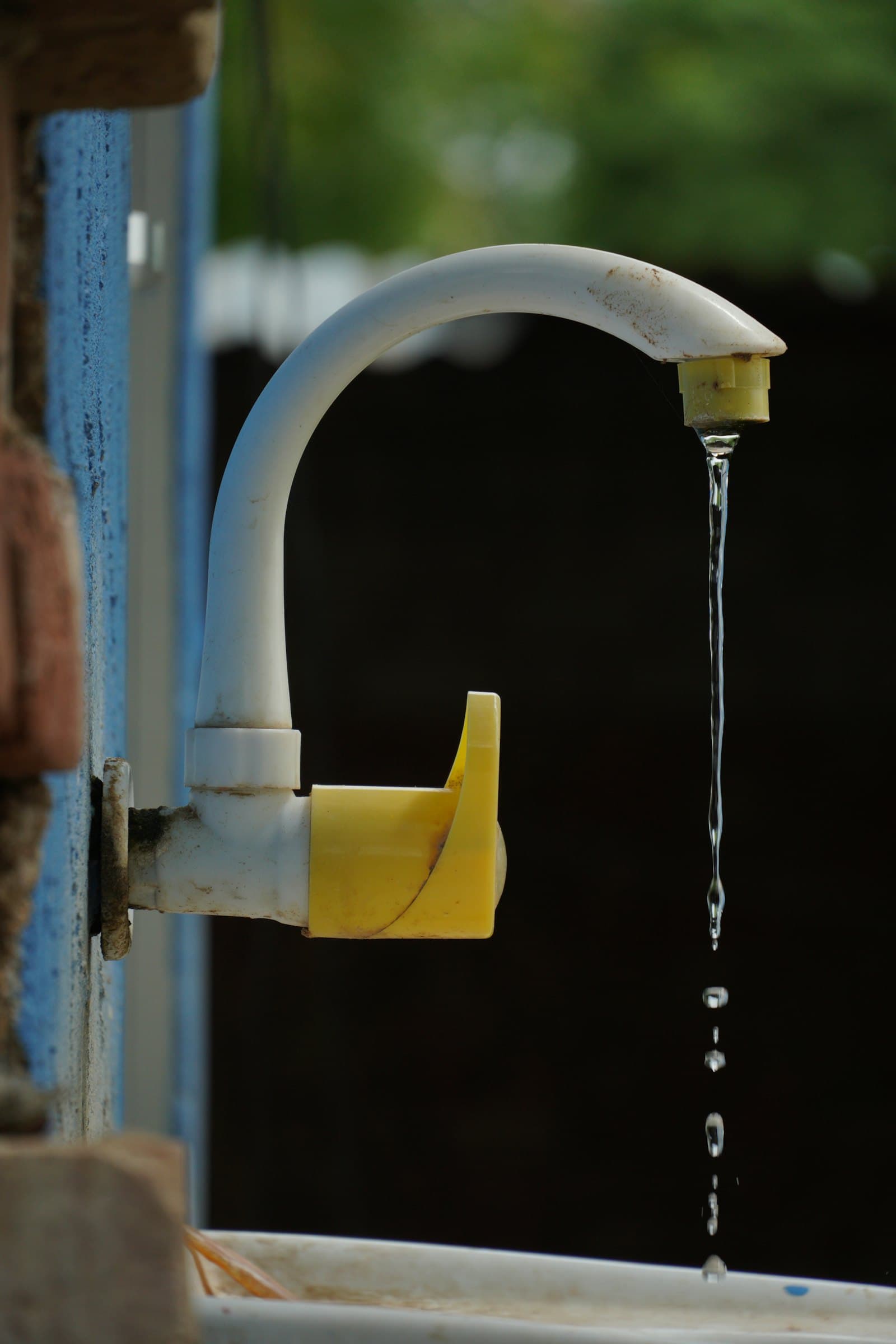
- A tired tap or mixer washer.
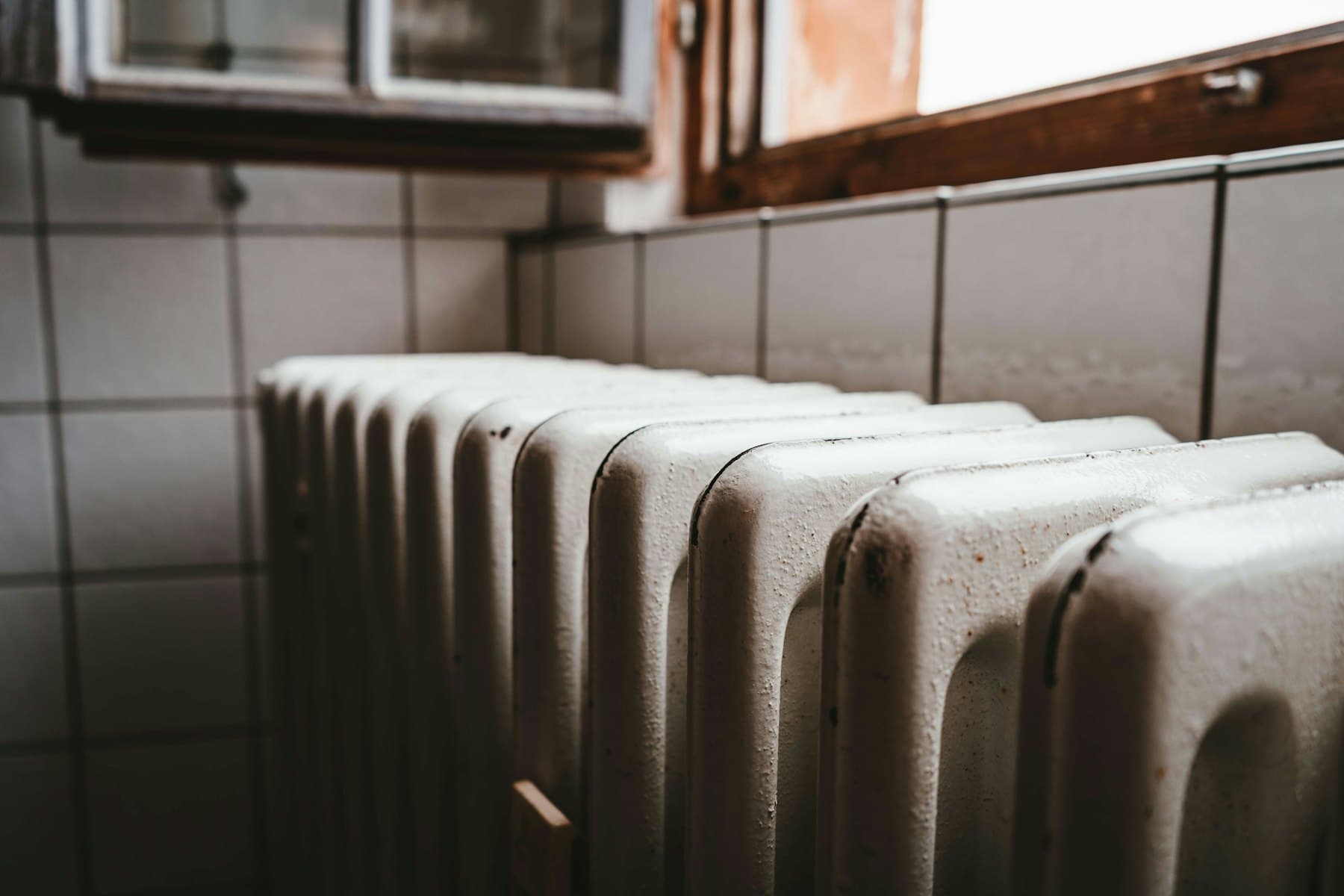
- A dripping radiator fitting or valve.
- A leaking water heater safety valve group.
- A worn shower or bath seal letting water into the wall or floor.
- An old corroded pipe, concealed in a wall or under a screed.
Leaks on hoses and washers are quick to repair. Those involving concealed pipes take more work, because the leak has to be located precisely before opening the wall or floor, so as to break as little as possible.
Insurance and shared buildings
In case of water damage, inform your insurer as soon as possible and keep all the evidence: photos, repair invoices, exchanges with the neighbours or the property manager. The joint water damage report form makes it easier to settle matters between neighbours. Every policy has its own conditions, so read yours again or call your broker to find out what is covered, especially leak detection.
In a flat, if the leak comes from a shared stack, it is in principle up to the co-owners to have it repaired. Let the property manager know straight away.
What we do
We locate the source of the leak, repair what needs repairing and give you a detailed invoice that is useful for the insurance. The hourly rate is 60 €, with a call-out fee of 50 € in Brussels and 60 € in the surrounding area. If the repair means opening a wall or replacing a section of pipe, we explain why and tell you the price before starting.
A leak at home? Turn off the water, then call Chauffanet on 0488 80 07 20 or send a photo on WhatsApp. We answer within two minutes, and the price is announced before the job.
Want an opinion on your installation?
A technician picks up within 2 minutes. The price is always given before any job.