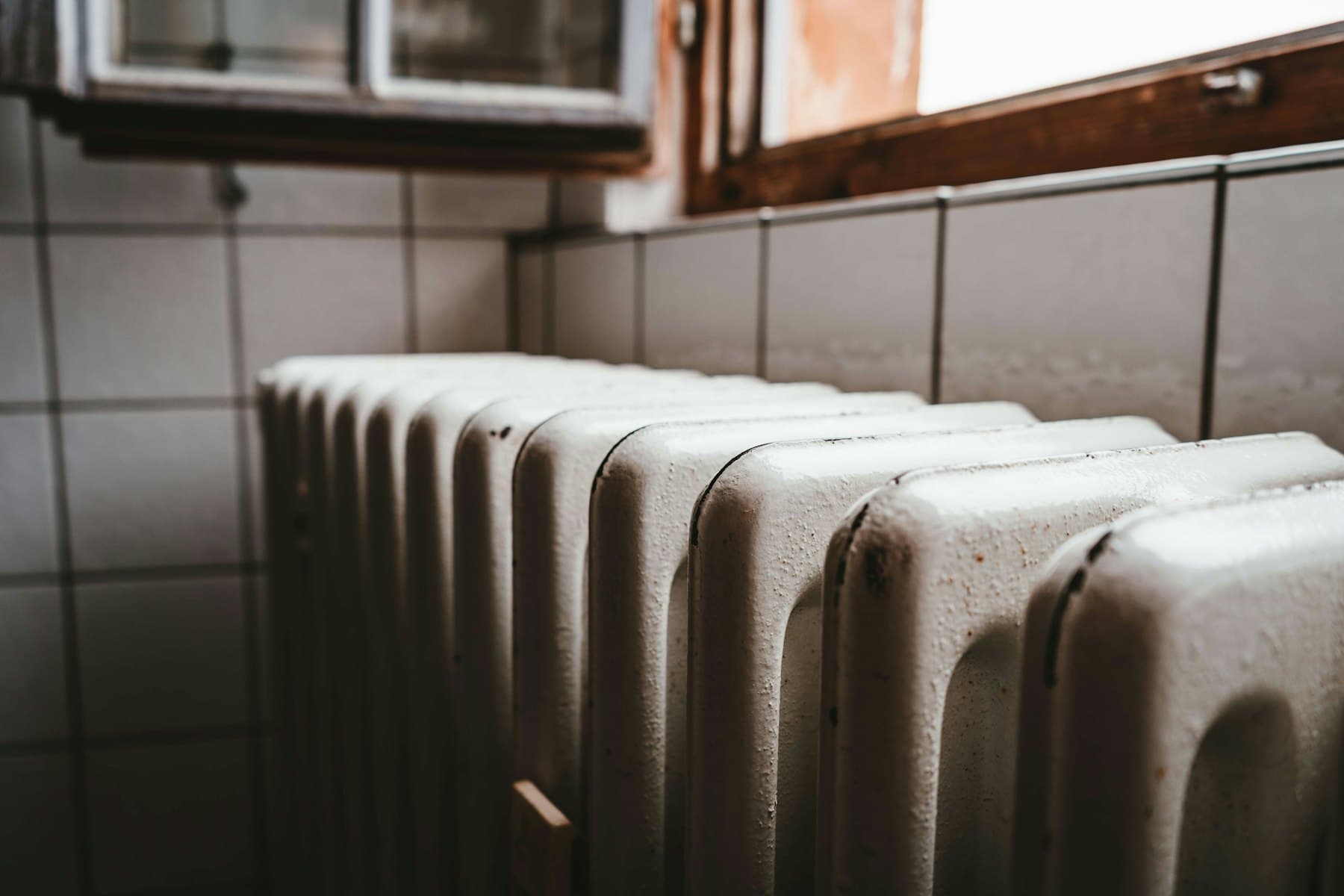
A radiator cold at the top and hot at the bottom, gurgling in the pipes? There is probably air in the system. Here is how to bleed it properly, step by step.
When the heating goes back on, many radiators only heat halfway. The bottom is hot, the top stays lukewarm, and sometimes you can hear water gurgling as it moves around. The culprit is almost always the same: air trapped in the system. Bleeding is a simple job you can do yourself, as long as you follow a few rules.
How to tell if a radiator needs bleeding
- The top of the radiator is noticeably colder than the bottom.
- You hear water noises or gurgling in the pipes or the radiator.
- A room heats poorly even though the boiler is running normally.
- Work has just been done on the system, or water has just been topped up.
On the other hand, if a radiator is cold all over, the problem is more likely a stuck valve, poor balancing or a clogged circuit. In that case, bleeding will not change much.
What you need
You need a radiator key, a small square key sold in hardware shops for next to nothing, sometimes replaced by a flat screwdriver on recent models. Have a cloth and a small container ready to catch the water. That is all.
Bleeding, step by step
- Switch on the heating and let the radiators warm up for half an hour, so the air rises to the top of the radiators.
- Then switch off the heating and wait a few minutes for the circulation to stop. Bleeding with the pump running can let air in instead of out.
- Start with the lowest radiator in the house, closest to the boiler, then work your way up floor by floor.
- Put the cloth and container under the bleed valve, at the top of the radiator, on the side opposite the radiator valve.
- Turn the key a quarter turn anticlockwise. You will hear the air hiss.
- As soon as water comes out in a steady stream, with no bubbles, close the bleed valve. No need to force it.
- Move on to the next radiator.
After bleeding: check the pressure
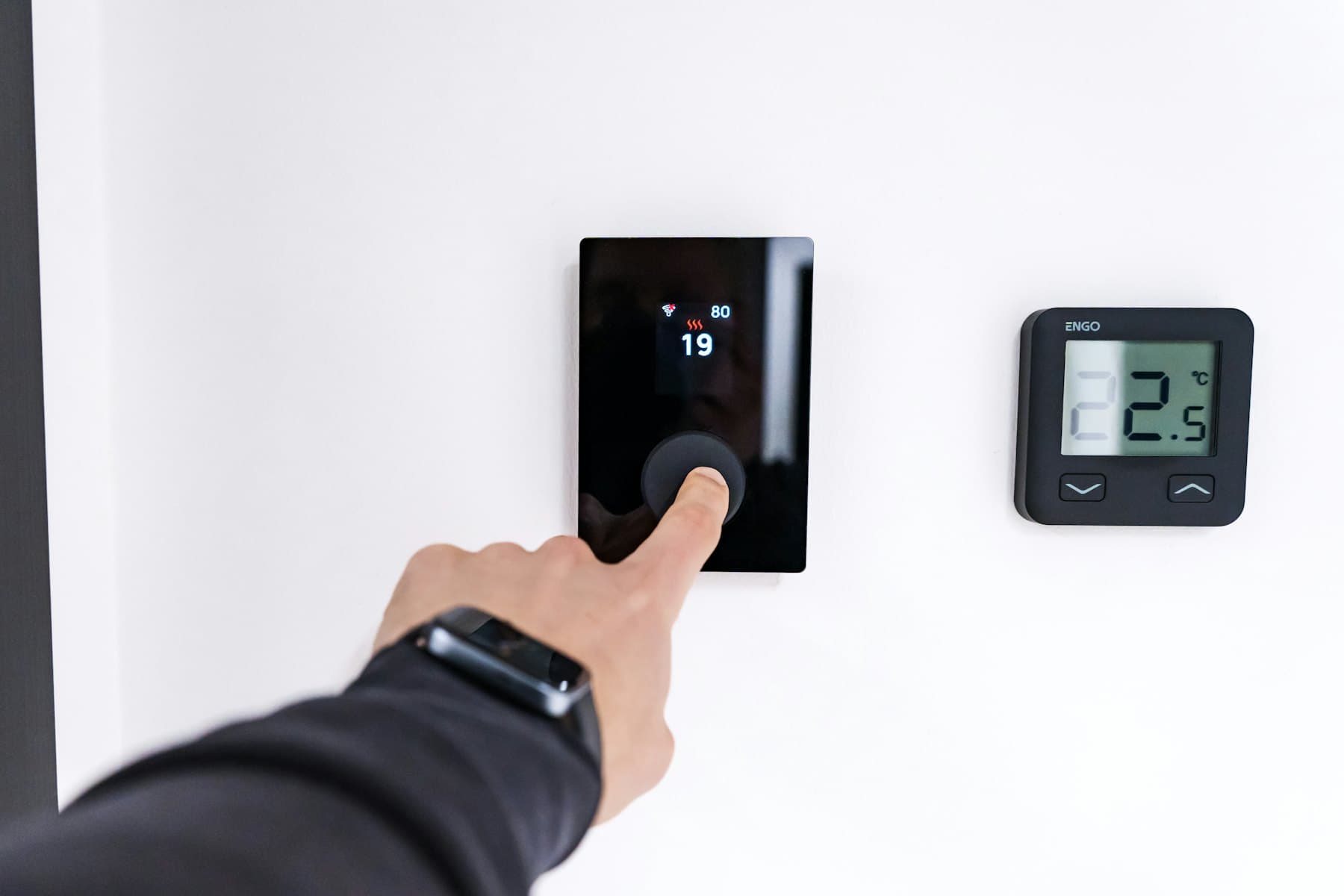
Every time you bleed, a little water leaves the circuit. On a system with several radiators, the pressure can drop noticeably. Go back and look at the boiler's pressure gauge once all the radiators are bled. If the pressure has dropped below the value recommended by the manufacturer, you need to top up the water, then restart the heating and check that everything heats evenly.
If you have to bleed the same radiators every few days, that is not normal. Air that keeps coming back can point to a small leak, a faulty automatic air vent, an expansion vessel that no longer does its job or a circuit producing gas because of corrosion. At that point, it is better to have the system looked at.
When to call us
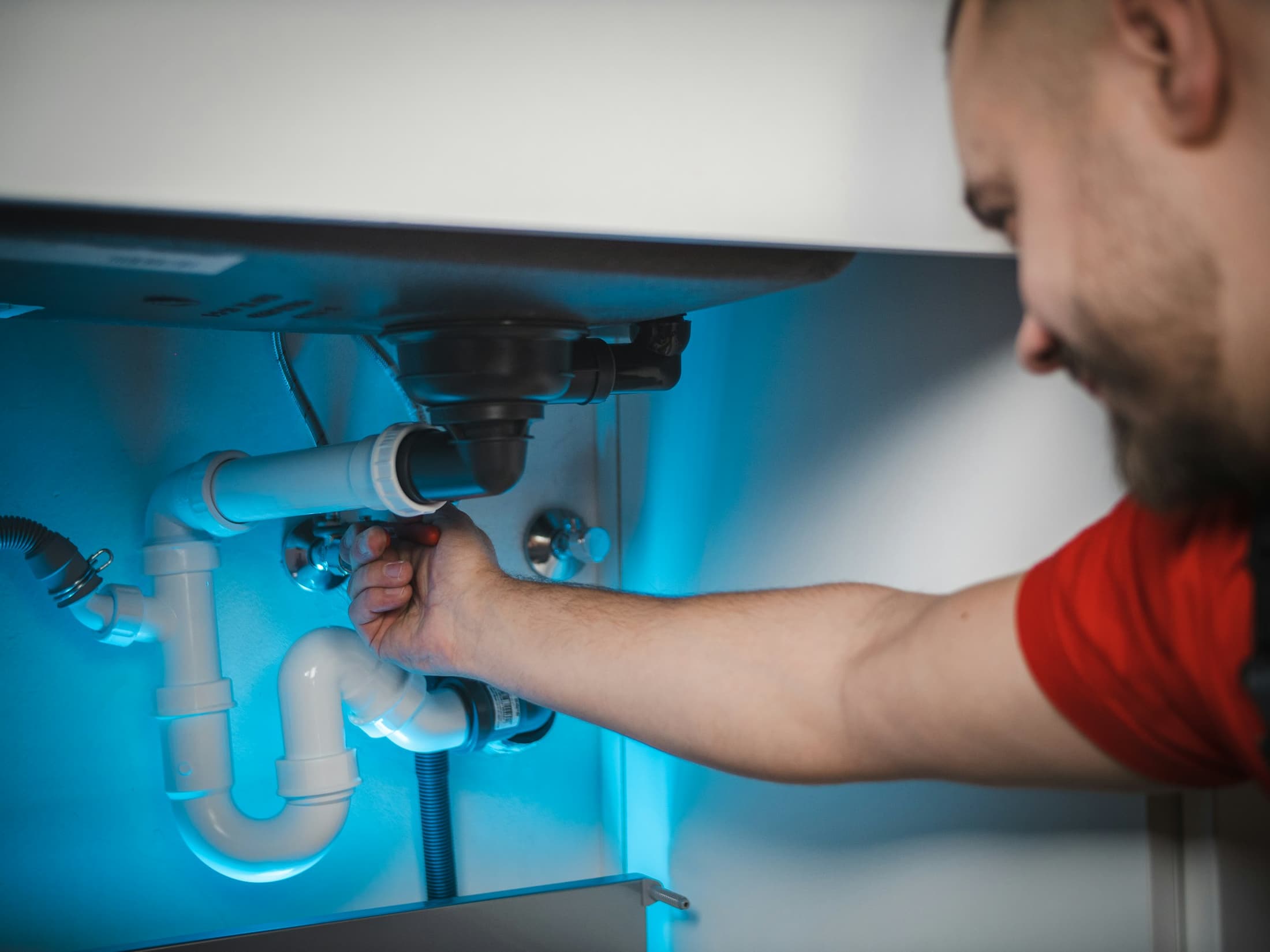
A seized bleed valve you do not dare force, a radiator that stays cold despite bleeding, pressure that will not hold, a circuit that gurgles all the time: these are situations where a heating engineer saves time and prevents damage. We can also rebalance the radiators so each room gets its share of heat, which often makes a real difference in Brussels houses spread over several floors.
For this kind of job, the hourly rate is 60 €, with a call-out fee of 50 € in Brussels and 60 € in the surrounding area. We tell you in advance how long we expect it to take and what that comes to.
A radiator that will not cooperate? Call Chauffanet on 0488 80 07 20 or message us on WhatsApp. We answer within two minutes, and the price is announced before the job, then confirmed on site before we start.
Want an opinion on your installation?
A technician picks up within 2 minutes. The price is always given before any job.