
The needle on the pressure gauge is dropping and the boiler locks out? Here is how to top up the pressure properly and recognise when it is time to look for a leak.
On a wall-mounted gas boiler, the pressure of the heating circuit is something to keep an eye on. Too low, and the boiler locks out and refuses to heat. Too high, and the safety valve opens and lets water out. Understanding what is going on often lets you solve the problem yourself, or at least know when to call.
Reading the pressure gauge
The pressure gauge is on the front of the boiler or underneath it, sometimes as a digital display. When cold, most domestic systems run at around 1 to 1.5 bar. When heating, the pressure rises a little, which is normal since water expands. The exact value recommended for your appliance is in the manufacturer's manual, and it can vary with the height of the building.
A good habit is to check the cold pressure from time to time, for example once a month in winter. That way you will quickly see if it is dropping abnormally.
Topping up the pressure in practice
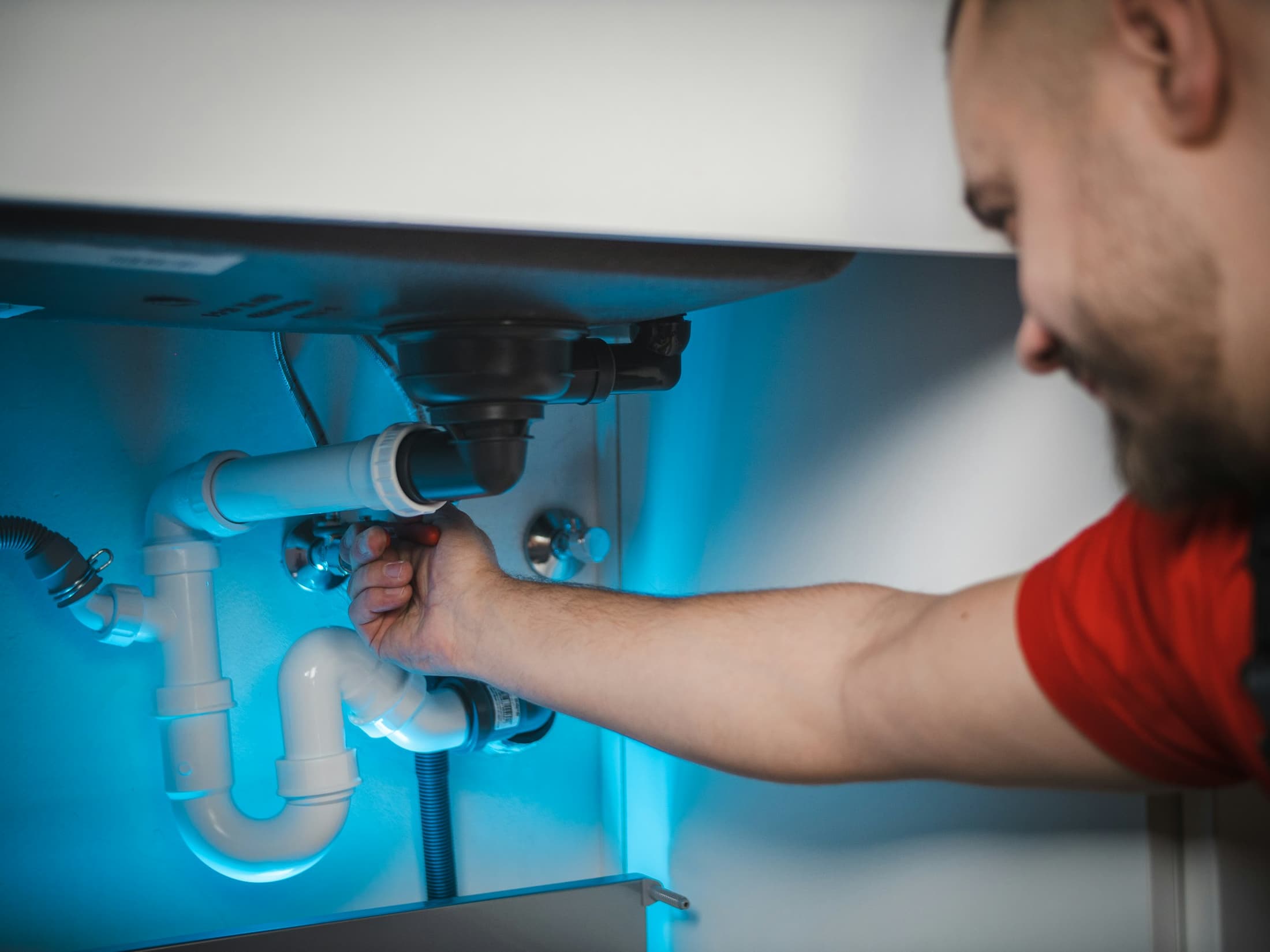
Filling is done with a tap or small lever under the boiler, sometimes with a filling loop you connect. Systems differ from brand to brand: a Vaillant is not filled in quite the same way as a Viessmann or a Bulex. Check the manual before you start.
- Switch off the heating and let the system cool down.
- Find the filling tap and open it slowly.
- Watch the pressure gauge and close it as soon as the recommended value is reached.
- Make sure the tap is fully closed, otherwise the pressure will keep rising.
- Restart the boiler and reset it if it had locked out.
Why the pressure drops
A small drop after bleeding the radiators is normal: water has left the circuit and needs replacing. But if you have to top up regularly, something is wrong. The most common causes are the following.
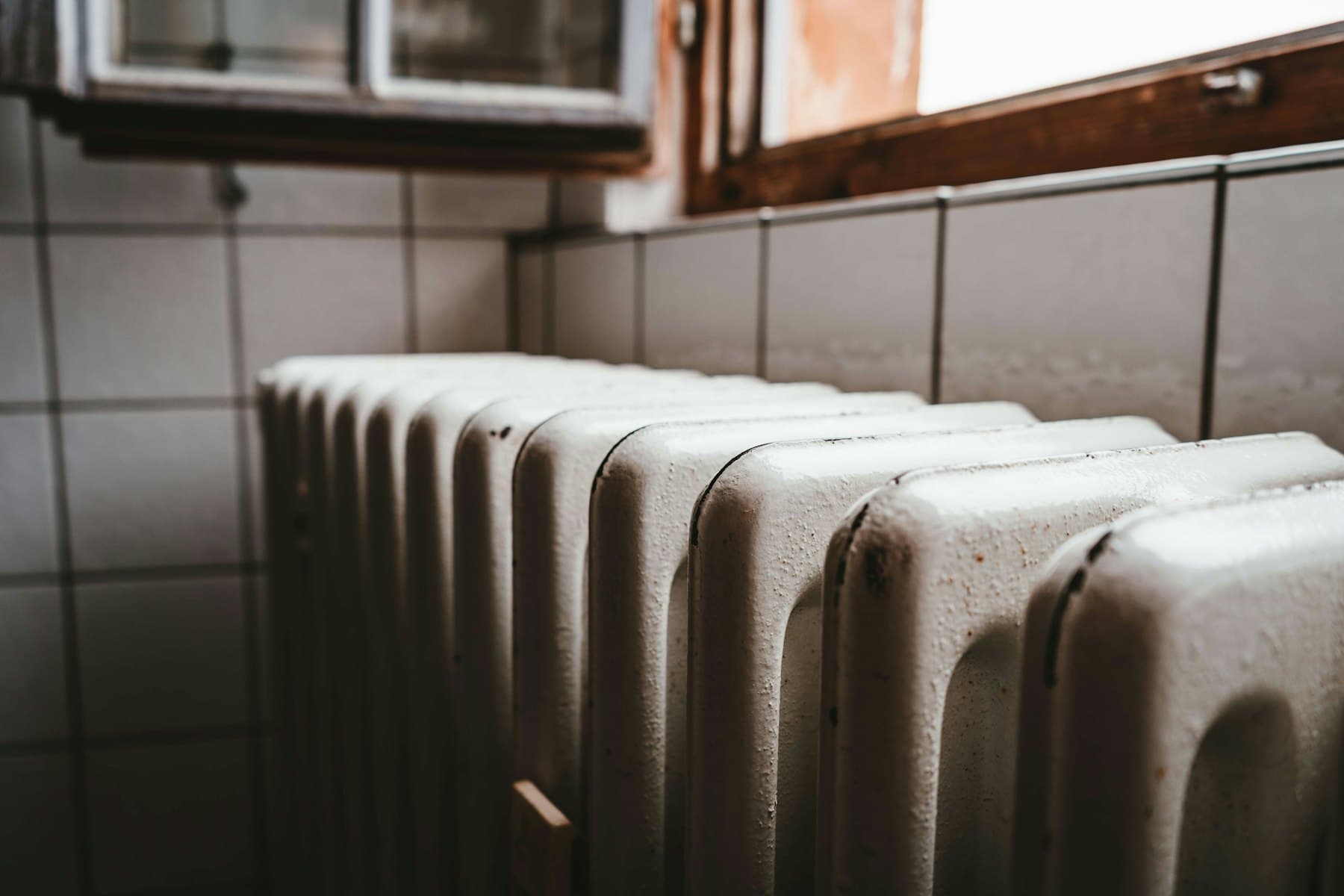
- A small leak on a radiator fitting, a valve or a concealed pipe.
- A dripping safety valve, often visible as a water or limescale mark at the end of the discharge pipe.
- An expansion vessel that has lost its air pressure and no longer absorbs the water's expansion.
- A leak inside the boiler, at the heat exchanger or a seal.
Go round the radiators and visible pipes with a paper tissue: a damp mark or whitish deposits on a fitting often give the leak away. Also look under the boiler and at the end of the safety valve pipe.
And when the pressure gets too high?
Pressure that climbs sharply when heating, to the point of making the safety valve drip, often points to the expansion vessel. Another possible cause: a filling tap that no longer closes fully and keeps letting mains water in. In both cases, you need a professional. The expansion vessel can be checked and re-pressurised with the right tool, or replaced if it is punctured.
What we do on site
The technician checks the expansion vessel pressure and whether the safety valve and filling tap are tight, then inspects the visible circuit and the boiler itself. Once the cause is found, he explains what needs replacing and tells you the price before starting. Nothing is done without your agreement.
The hourly rate is 60 €, with a call-out fee of 50 € in Brussels and 60 € in the surrounding municipalities. If your boiler has not been serviced for a while, we can combine the visit with a service at the 130 € flat rate.
Is your boiler losing pressure? Call Chauffanet on 0488 80 07 20 or send a photo of the pressure gauge on WhatsApp. We answer within two minutes, and the price is announced before the job.
Want an opinion on your installation?
A technician picks up within 2 minutes. The price is always given before any job.