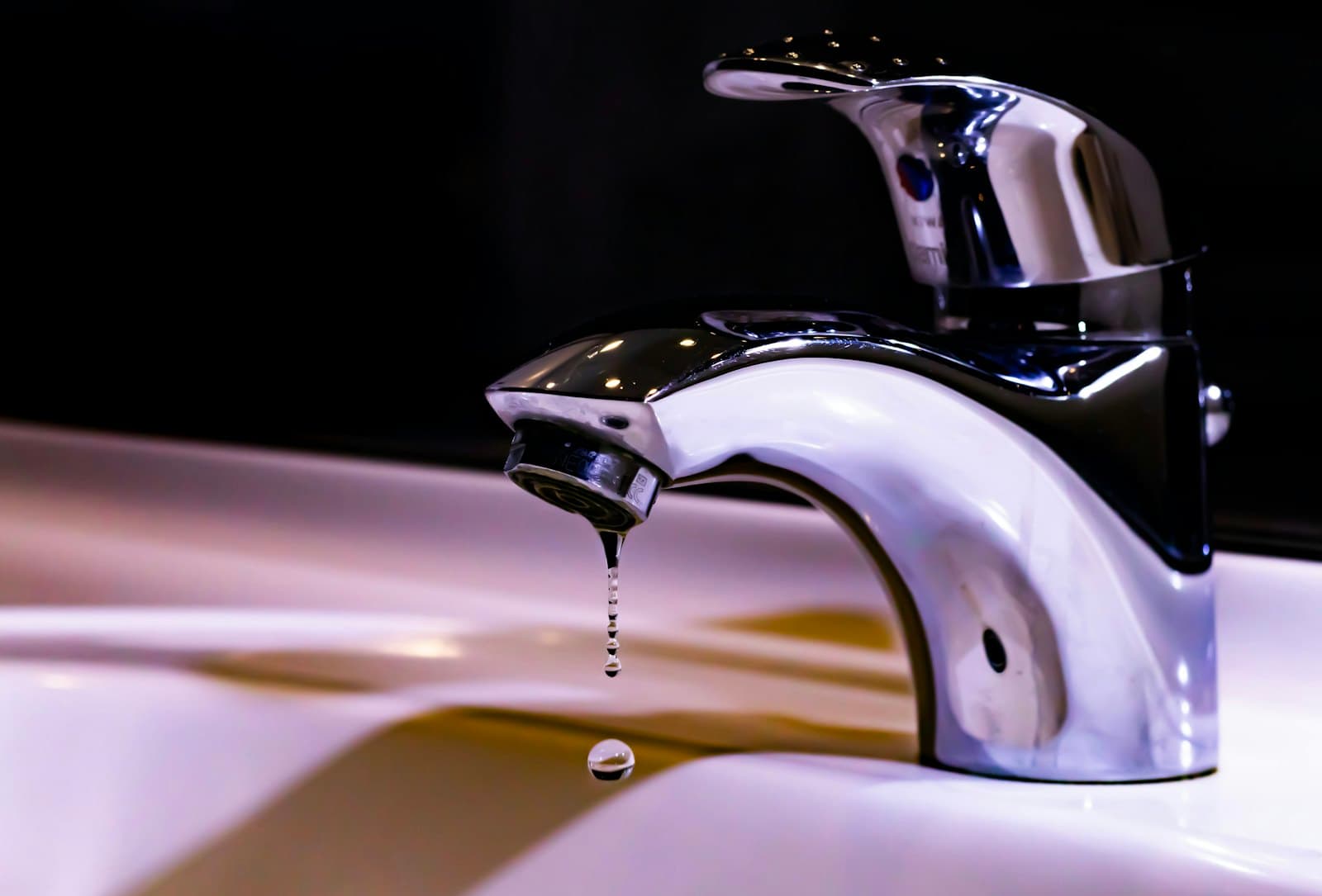
Brussels water is hard. The result: tired water heaters, clogged shower heads, stiff taps. Here is what really helps day to day and when to have it descaled.
If you live in Brussels, you know the white marks on the taps, the kettle that furs up and the shower head that ends up spraying in every direction. The water supplied in the region is known to be hard. It is perfectly safe to drink, but limescale builds up wherever water is heated, and the water heater suffers most.
What limescale does to your appliances
When water heats up, limescale is deposited. In an electric water tank, it coats the heating element and builds up at the bottom of the tank. In a boiler that produces domestic hot water, it clogs the heat exchanger. Either way, the appliance takes longer to heat and uses more energy for a poorer result.
- A tank that crackles or bubbles as it heats.
- Hot water that takes longer to arrive or runs out faster than before.
- Temperature swings at the tap, hot then lukewarm then hot.
- Lower flow at the shower heads and tap aerators.
- A safety valve group that drips constantly under the tank.
Simple everyday habits
Part of the upkeep is within your reach. Unscrew the tap aerators and the shower head a few times a year and leave them to soak in white vinegar. One night is usually enough. Rinse, screw them back on, and the flow returns.
On an electric tank, operate the safety valve group from time to time, as the manual says, so it does not seize. Do not set the temperature higher than necessary: the hotter the water, the faster limescale builds up. A temperature set too low causes other hygiene problems, though, so follow the manufacturer's recommendations.
Descaling a water heater
For an electric tank, descaling means draining the tank, opening the access hatch, removing the built-up limescale, checking the heating element and the anode, then putting it back together with a new seal. It is a job that involves turning off the electricity and the water, and knowing how to put the appliance back into service properly. We do not recommend it for inexperienced DIYers.
The anode deserves a special mention. It is a sacrificial part that wears away instead of the tank. Once it is eaten away, the tank starts to rust, and at that point the water heater can no longer be repaired. Checking the anode during descaling can often add years to the appliance's life.
For a boiler that produces hot water, the domestic hot water heat exchanger can be descaled or replaced depending on its condition. The technician checks it during the service.
Is a water softener worth it?
A water softener greatly reduces limescale throughout the system. It is comfortable, but not essential in every home. It needs space, a connection to the drain, regular maintenance and buying salt. In a flat with little space, a scale filter upstream of the water heater may be enough. You also need to keep one tap with unsoftened water for drinking and cooking. We can look at your system and tell you what makes sense for you.
When to call us
If your tank is noisy, heats poorly, leaks at the safety valve group or is several years old and has never been descaled, it is time for a visit. The hourly rate is 60 €, with a call-out fee of 50 € in Brussels and 60 € in the surrounding area. Any parts, such as an anode, a seal or a safety valve group, are priced before they are fitted.
Is your water heater struggling? Call Chauffanet on 0488 80 07 20 or message us on WhatsApp. We answer within two minutes, and the price is announced before the job, then confirmed on site before we start.
Want an opinion on your installation?
A technician picks up within 2 minutes. The price is always given before any job.