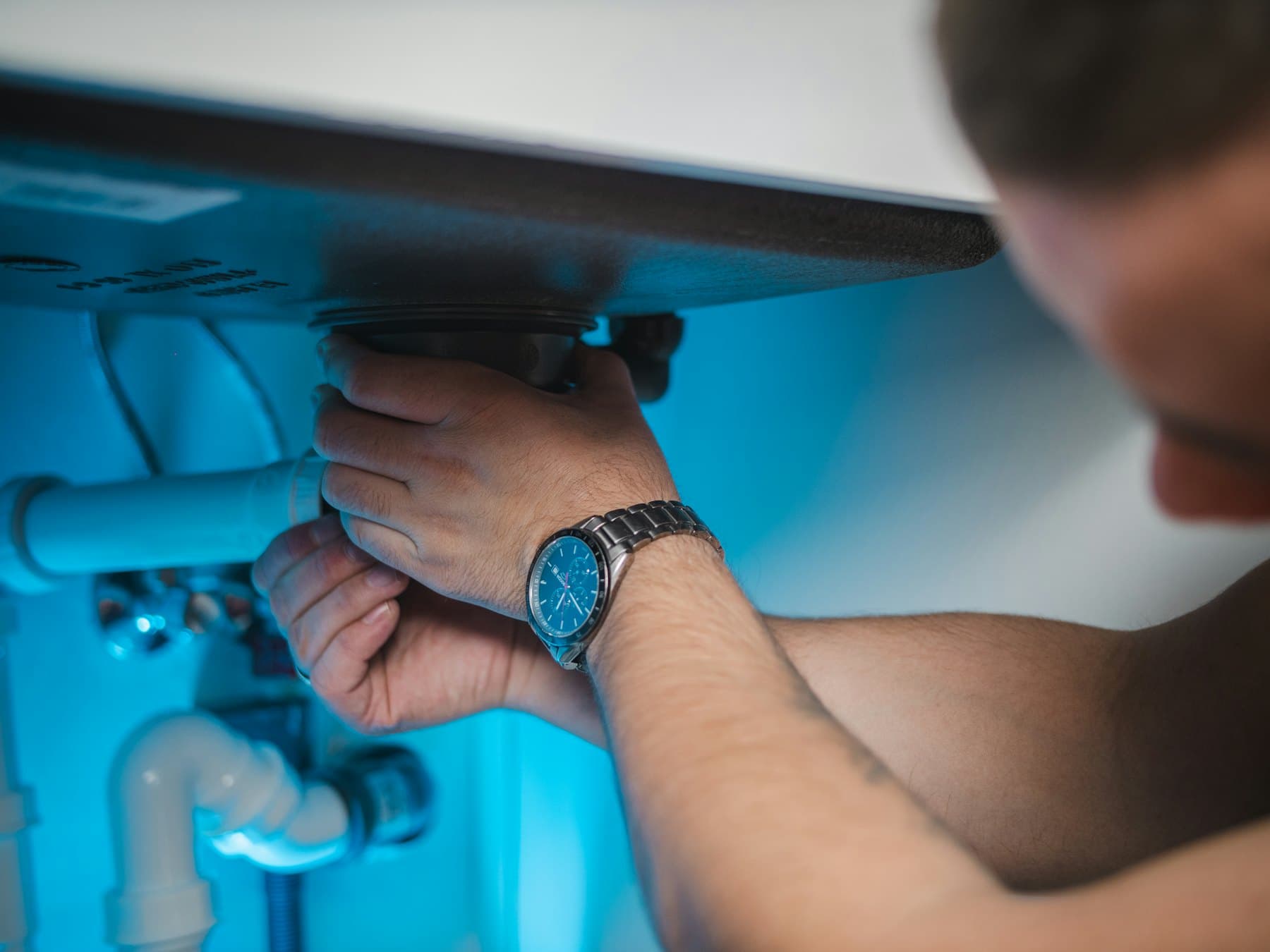
Plunger, trap, drain snake, hot water: the methods that work to unblock a sink, a washbasin or a toilet, the products to avoid and when to call a plumber.
Water that will not drain from the sink, a toilet that rises alarmingly when you flush: it is unpleasant, but in many cases you can sort the problem out yourself with a bit of method. Here is how to go about it, what to avoid and when it is time to call.
Sink, washbasin, shower: where to start
In the kitchen, it is almost always grease setting in the trap and pipes, mixed with food scraps. In the bathroom, it is hair and soap residue. The blockage usually forms near the plughole or in the trap, which is good news: it is within reach.
- Remove anything visible at the plughole, hair or waste.
- Pour in very hot water, but not boiling if your drains are PVC, to soften the grease.
- Use a plunger while blocking the overflow with a damp cloth, otherwise the pressure escapes that way.
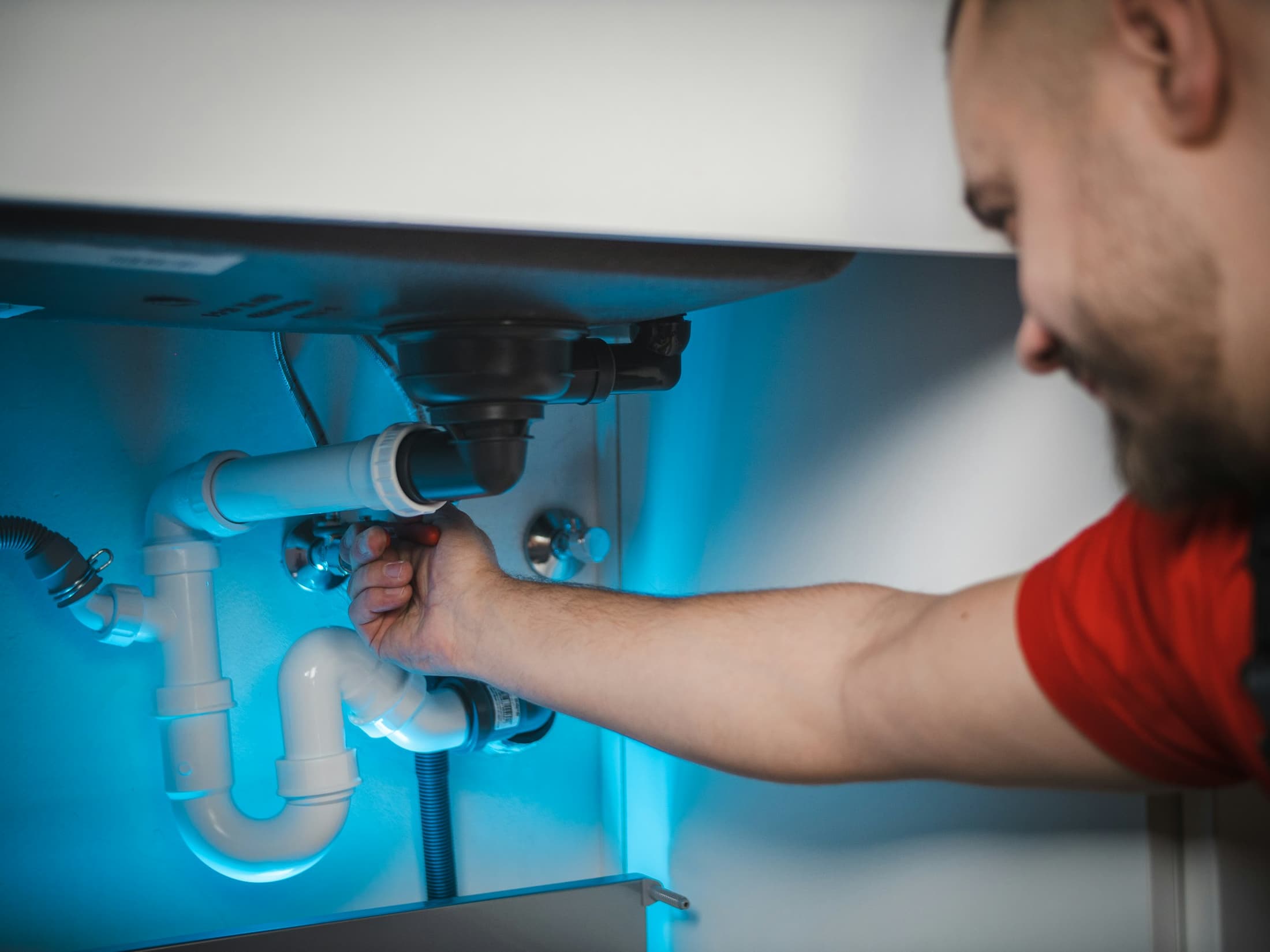
- If nothing moves, take the trap off under the sink. Put a bowl underneath, unscrew the nuts by hand, empty and clean it, then put it back, checking the seals.
- For a blockage further down the pipe, a manual drain snake, sold in DIY shops, lets you reach it.
Blocked toilet: the right method
First rule: do not flush a second time if the water is rising. You risk an overflow. Wait for the level to drop a little.
A toilet plunger, with a flange that fits the bottom of the bowl, is far more effective than a sink plunger. Seat it well, then push and pull firmly several times. A little washing-up liquid and a bucket of hot water poured from a height can also help shift a paper blockage. If the blockage holds, a toilet auger lets you go further without scratching the ceramic.
What to avoid
- Using very harsh chemical drain cleaners again and again: they damage seals and some pipes, and are dangerous if the water comes back up or if you then have to take the trap apart.
- Mixing several products: some combinations give off toxic fumes.
- Forcing it with a rigid object, such as a wire coat hanger in a toilet, which scratches the enamel or breaks a seal.
- Pouring frying oil or grease down the sink, even hot: it will set further down the pipe.
When the problem is further down
If several drains block at the same time, if water comes up in the shower when you flush, or if you hear gurgling in one sink when another empties, the blockage is probably not in a trap but in a shared pipe. In a block of flats, this may involve the shared stack, and you need to inform the property manager.
A persistent sewer smell, even without a blockage, can come from a trap that has dried out, a faulty seal or a problem with the drain ventilation. Here too, a plumber will know how to find the cause.
Calling Chauffanet
We unblock sinks, washbasins, showers and toilets, and replace traps, seals or sections of pipe when they are at fault. The hourly rate is 60 €, with a call-out fee of 50 € in Brussels and 60 € in the surrounding municipalities. On the phone, describe what is happening: which fitting, since when, what you have already tried. This lets us come with the right equipment.
A sink or toilet that refuses to budge? Call Chauffanet on 0488 80 07 20 or message us on WhatsApp. We answer within two minutes, and the price is announced before the job, then confirmed on site before we start.
Want an opinion on your installation?
A technician picks up within 2 minutes. The price is always given before any job.